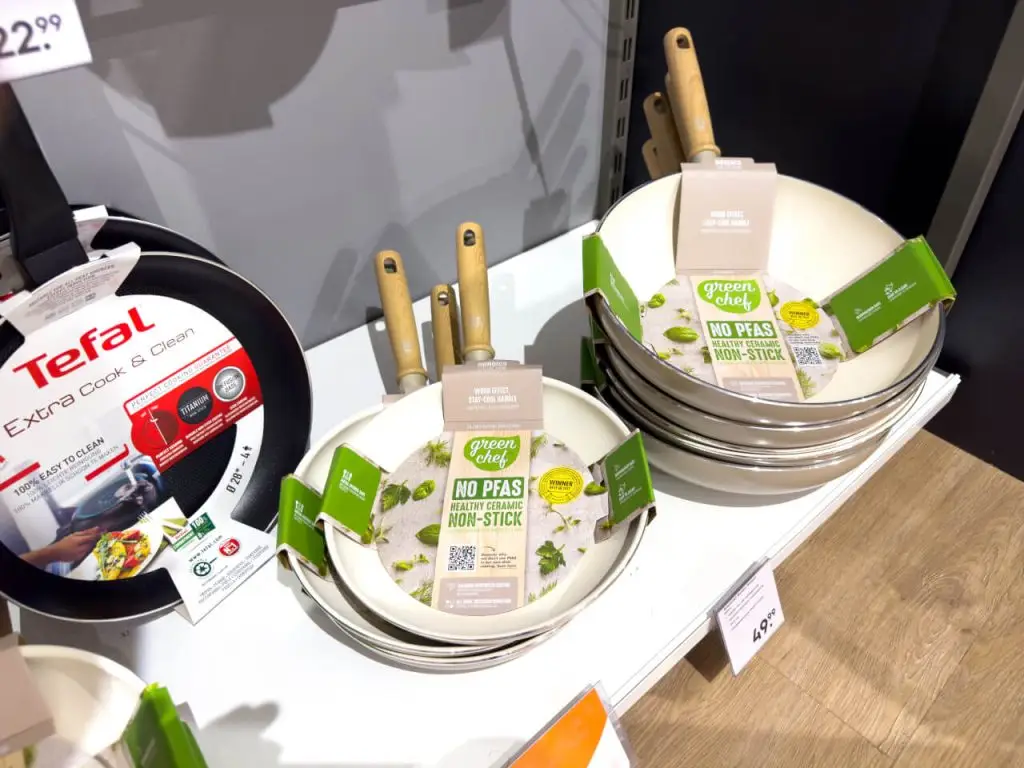
Decoding the Modern Marketing Maze
As the public awareness of “forever chemicals” (PFAS) has exploded, a new wave of marketing has followed. From grocery store aisles to outdoor gear retailers, “PFAS-Free” labels are appearing on thousands of products. For the health-conscious consumer, this seems like a victory. However, in the complex world of industrial chemistry and global supply chains, the phrase “PFAS-Free” is not always as straightforward as it seems. Understanding the nuances of these labels—and the potential for “greenwashing”—is essential for anyone trying to reduce their chemical load. To understand why these labels are becoming so prominent, one must first explore what are pfas and why they have been so integral to modern manufacturing.
One of the primary reasons for confusion is the distinction between “added” PFAS and “background” PFAS. Many manufacturers label their products as “PFAS-Free” if they do not intentionally add the chemicals during the production process. However, because PFAS are so ubiquitous in our environment, trace amounts can still be present in the raw materials or Introduced through the machinery used in the factory. This means that a product can be “PFAS-Free” by a legal definition but still show minute levels of the chemicals under intense laboratory testing. This leading to a persistent health exposure that many consumers haven’t considered. According to the EPA, ensuring true “zero” levels in the global supply chain is an ongoing challenge for national public health.
The Problem of “PFOA-Free” vs. “PFAS-Free”
Another common marketing tactic is to label a product with a specific acronym like “PFOA-Free.” While this is often technically true, it is frequently used to distract from the presence of other chemicals in the same family. Because PFOA was the most famous “forever chemical” to be phased out of manufacturing years ago, almost all modern products are PFOA-free. However, many still use “short-chain” PFAS replacements that may be just as persistent and carry similar health risks. Identifying pfas in products that use these newer chemicals is a moving target for researchers. This is a common form of “greenwashing” that can lead to a false sense of security. Identifying where pfas come from in this new era of manufacturing is a major goal for organizations like the CDC (ATSDR).
Furthermore, third-party certifications are often more trustworthy than a brand’s own marketing claims. Look for labels like “OEKO-TEX,” “BlueSign,” or “Greenguard Gold,” which involve independent laboratory testing for a broad spectrum of chemicals, including PFAS. These certifications provide a much higher level of assurance than a generic “PFAS-Free” stamp. Research from the NIEHS has shown that independent verification is currently the only way to ensure that a product meets rigorous chemical safety standards. This is why reducing pfas at home requires a focus on certified-safe products rather than relying on advertising.
Questions Every Consumer Should Ask
To navigate the “PFAS-Free” maze, you should take several proactive steps. First, look past the front of the packaging and check the specific ingredient list or technical data sheet. If a brand isn’t willing to be transparent about their supply chain, the label may not be trustworthy. Second, prioritize brands that have made a public “commitment to phase-out” all fluorinated chemicals, not just specific ones. Finally, stay updated with research from high-authority sites like NIH research portals to see which brands are leading the charge in chemical transparency. The goal is to move from a culture of hidden chemistry to a future of environmental honesty.
Final Thoughts on Marketing Transparency
Your choices as a consumer have the power to drive the market towards safety. By demanding true transparency and supporting third-party certified products, you are helping to build a world where “clean” actually means clean. Don’t be fooled by clever marketing—knowledge is your best tool for ensuring that your home environment is as healthy as possible. Awareness of the limits of labels is the first step toward a chemical-free future. Stay informed, stay critical, and prioritize health in every purchase you make.
The same habit of asking for evidence applies to water services. When speaking with Private water testing specialists in Manhattan, request the laboratory method, compounds included, and reporting limits rather than relying only on broad claims about clean water.