Introduction to the World of PFAS
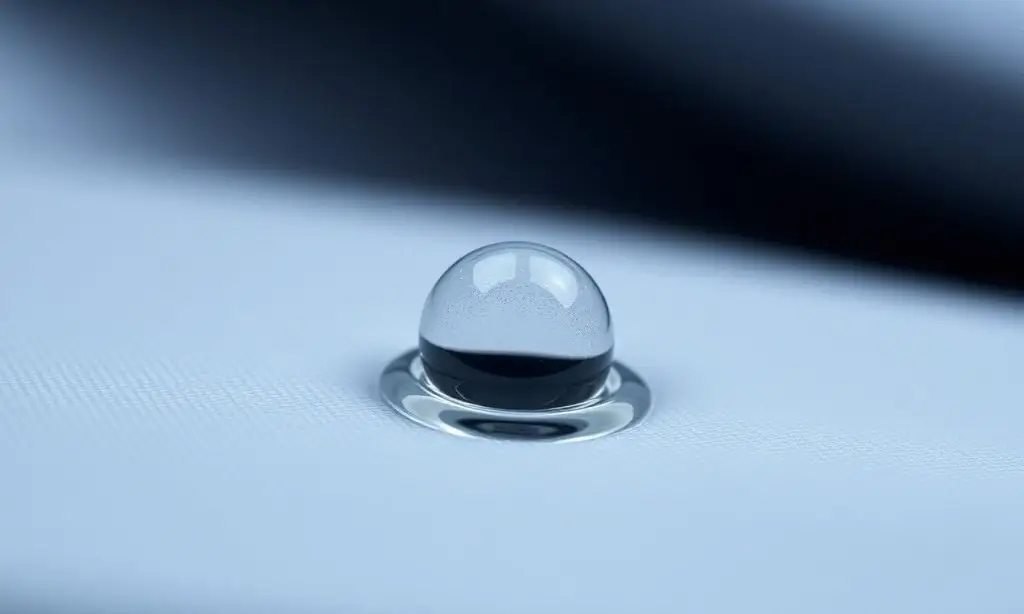
The term “forever chemicals” has increasingly dominated environmental headlines, scientific journals, and health-focused dinner table conversations. However, despite its prevalence in the news, many people still find themselves struggling to grasp what these substances actually are and how they interact with our daily lives. At its core, “forever chemicals” is the layperson’s term for a massive family of man-made substances formally known as Per- and Polyfluoroalkyl Substances, or PFAS. These compounds were first synthesized in laboratories in the 1940s and 50s, heralded as a revolutionary breakthrough in chemical engineering. Their primary value lies in their unique ability to resist heat, water, and oil—properties that made them almost indispensable for the manufacturing of modern conveniences. To understand the gravity of their presence, one must first explore what are pfas and why their chemical construction makes them unique in the history of human manufacturing.
The nickname “forever chemicals” is not merely catchy marketing; it is a literal description of their behavior in the natural world and the human body. Unlike the majority of substances we encounter—wood, paper, and even many types of plastics—PFAS do not biodegrade. They do not rot, they do not rust, and they are not easily destroyed by sunlight or moisture. This leads to a persistent environmental legacy where every ton of these chemicals produced in the last eighty years is likely still circulating in our air, soil, or water. According to the Environmental Protection Agency (EPA), these substances have migrated to every corner of the globe, contaminating ecosystems from rural farms to urban centers.
The Molecular Power of the Carbon-Fluorine Bond
To truly understand why these chemicals last forever, we must look at their atomic structure. In the world of organic chemistry, the bond between a carbon atom and a fluorine atom is one of the strongest single bonds known to man. In a PFAS molecule, a long string of carbon atoms is completely encased in fluorine atoms. This creates a powerful molecular shield that repels virtually everything. Imagine a non-stick pan on an atomic level—nothing can get in to break the bond. This strength is why these chemicals were used in everything from jet engine lubricants to the linings of fire-resistant suits. The chemistry was designed to be indestructible to provide maximum utility to the consumer.
However, what makes a product durable makes a chemical dangerous. Because these bonds cannot be broken by the enzymes in our bodies or the microbes in the soil, the chemicals simply accumulate. This process is known as bioaccumulation. When we ingest or inhale tiny amounts of these substances, our bodies are essentially given a task they cannot complete: breaking them down. Instead, the chemicals bind to proteins in our blood and settle into vital organs like the liver and kidneys. Understanding health exposure risks is essential for anyone living in industrialized areas where these chemicals were once produced or heavily used.
Everyday Encounters: Where Do PFAS Hide?
Most people are shocked to discover how many items in their own homes contain these eternal substances. Because they are so effective at resisting stains and water, manufacturers have put them in everything for decades. Your non-stick frying pan is the most famous example, but it is far from the only one. Have you ever wondered how a pizza box stays dry even when sitting on a greasy pizza? That is often due to a thin coating of PFAS on the cardboard. Similarly, microwave popcorn bags are lined with these chemicals to prevent hot oil from leaking through the paper. Even dental floss is often coated with these substances to help it glide more easily between teeth. From waterproof mascara to stain-resistant upholstery, the list of pfas in products is extensive.
The danger is that as these products age, the chemicals can leach out into the environment. When you cook on a scratched non-stick pan at high heat, tiny particles can enter your food. When you wash a stain-resistant rug, the chemicals enter the wastewater. Over years of use, these small exposures add up to a significant body burden. Research from the CDC (ATSDR) has shown that high levels of certain PFAS can affect the immune system, increase cholesterol levels, and even interfere with natural hormones. This widespread contamination is why many households are now prioritizing reducing pfas at home through advanced filtration and careful product selection.
The Impact on Human Systems and Health
The health implications of forever chemicals are the subject of thousands of ongoing scientific studies worldwide. Because they stay in the body for such a long duration, even small doses can become problematic over a lifetime. Scientists have found links between high PFAS levels and several types of cancer, particularly kidney and testicular cancer. Additionally, there is evidence that these chemicals can reduce the effectiveness of vaccines by suppressing the immune response. For pregnant women, the concern is even higher, as studies suggest PFAS can be passed to the fetus and may contribute to developmental issues later in life.
Because these chemicals are so persistent, they do not just affect the direct consumer; they affect the entire community. When PFAS are flushed down the drain, they end up at water treatment plants that were never designed to remove them. From there, they flow into our rivers and lakes, eventually entering the fish we eat and the water we drink. This cycle is a major driver of water contamination issues discovered in virtually every state. Addressing this legacy requires a massive effort to filter these substances out of our public utilities, a process that is currently costing municipalities billions of dollars. Supporting advanced research from groups like the NIEHS is crucial as we try to understand the long-term impacts of this global chemical dispersion.
Protecting Your Family in a PFAS World
While the task of cleaning up an industrial legacy is daunting, awareness is the first step toward a safer home environment. By understanding the invisible paths these chemicals take—through the wind, the water, and the products on our shelves—we can make informed decisions that protect ourselves and our families. Our homes should be the place where we are safest, and by taking control of our chemical footprint, we can ensure they stay that way for generations to come. For more on how to secure your property from environmental risks, visit the National Institutes of Health for the latest ecological safety studies.
For local residents putting this overview into practice, a conversation with Manhattan PFAS water testing experts can help turn general concerns into specific questions about a tap-water sample. Ask which compounds are tested and how the results are reported.