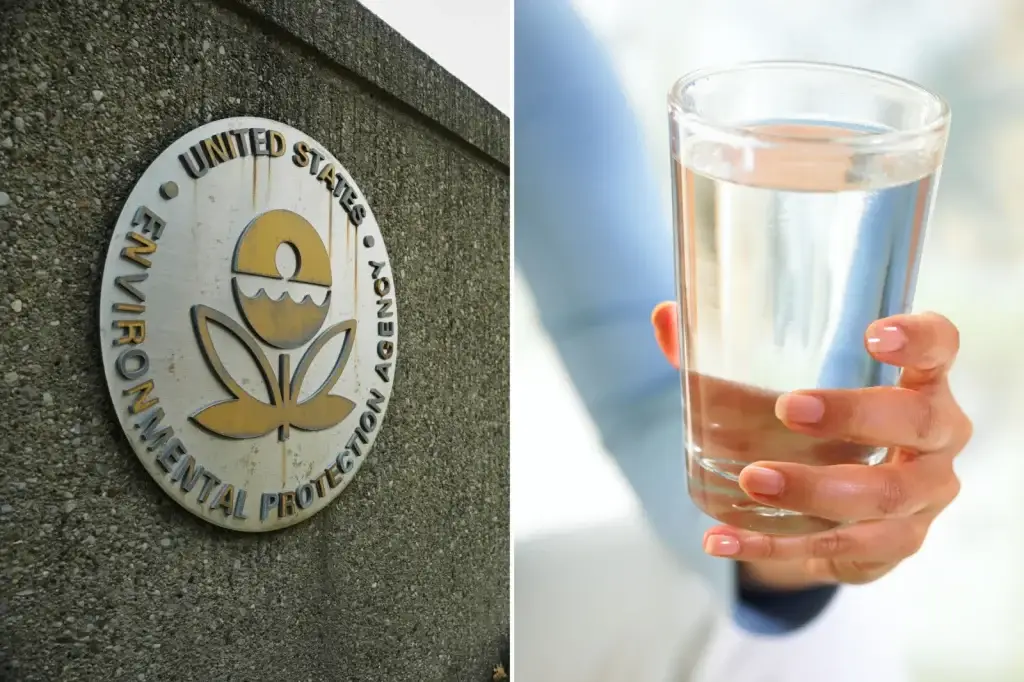
Defining the New Era of Federal Clean Water Protection
For most of American history, our primary water quality concerns were bacteria, lead, and common industrial solvents. However, we have recently entered a paradigm shift in environmental regulation. The EPA has finalized the first-ever legally enforceable National Primary Drinking Water Regulation (NPDWR) for six different “forever chemicals” (PFAS). This is the most significant change to federal water standards in decades, signaling a new era where “purity” is measured at the molecular level. But what do these complex, multi-page rules actually mean for the average household? And how will they change the water coming out of your tap? To understand the gravity of these federal mandates, one must first explore what are pfas and why they have forced the government to rewrite the rulebook.
The core of the new EPA standards is the setting of Maximum Contaminant Levels (MCLs) for PFOA, PFOS, PFNA, PFHxS, and HFPO-DA (GenX). In a surprising move, the EPA set these limits at near-detectable levels—just 4 parts per trillion for PFOA and PFOS. This is a monumental shift from previous “health advisories” which were not legally binding and allowed for much higher concentrations. For the consumer, this means that thousands of water utilities across the country that were previously considered “compliant” are now officially out of bounds. This will lead to a massive wave of water contamination disclosures as utilities are forced to report their new, non-compliant status. According to the EPA’s official guidance, these strict limits were designed specifically to protect vulnerable populations from chronic, low-level exposure.
A Three-Year Window for Action
The EPA has given water utilities three years to complete initial monitoring for these chemicals and a further two years to install treatment systems if they are found to be above the limits. This means that while the law is in place today, the actual physical cleanup of the water may not be finished until the end of the decade. This transition period is a critical time for health exposure, as residents now have the knowledge that their water is “over the limit” but don’t yet have a system to fix it. Identifying where pfas come from and holding the industrial manufacturers accountable through the CDC (ATSDR) framework is a major part of the funding strategy for these national upgrades.
Furthermore, identifyng pfas in products is now a national priority, as the EPA simultaneously moves to designate PFOA and PFOS as hazardous substances under the CERCLA (Superfund) law. This allows the federal government to demand cleanup from polluters, potentially speeding up the funding for local remediation. Experts at the NIEHS are currently researching how these new federal thresholds will improve long-term public health outcomes, providing data that can help you time your own safety investments. Stay updated with research from high-authority sites like NIH research portals to see how the environmental science of federal regulation is advancing.
What You Should Do Now
The era of “ignorance is bliss” regarding water quality has ended. The first step for any homeowner is to read their local “Consumer Confidence Report” and specifically look for sections on PFAS. If your utility is over the new EPA limits, don’t wait for the five-year federal deadline. For those who prioritize reducing pfas at home, the best defense is to install a certified filtration system immediately. By acting now, you are essentially giving yourself the protection the EPA mandates five years early. Awareness of these new federal standards is your best tool for ensuring that your family’s health is not dependent on the slow grind of government bureaucracy. In a world where “forever” chemicals are everywhere, the new EPA rules are the first step toward a cleaner, more transparent future.
Final Thoughts on National Water Security
The finalization of these national standards is a hard-won victory for environmental scientists and public health advocates. It represents a fundamental acknowledgement that our industrial legacy cannot continue to be ignored. While the road to full compliance will be long and expensive, the destination is a world where clean water is a basic, protected right for every American. Your role as a discerning consumer and informed citizen is to hold your local utility accountable to these new standards. Stay informed, stay vocal, and prioritize your household’s safety as the nation embarks on this historic cleanup project.
For Brooklyn residents reviewing how national standards relate to their supply, Professional municipal water testing in Brooklyn is a useful subject to discuss with the utility and testing providers. Ask which results represent the public system and which represent an individual property before comparing them.