The Science of Indestructibility
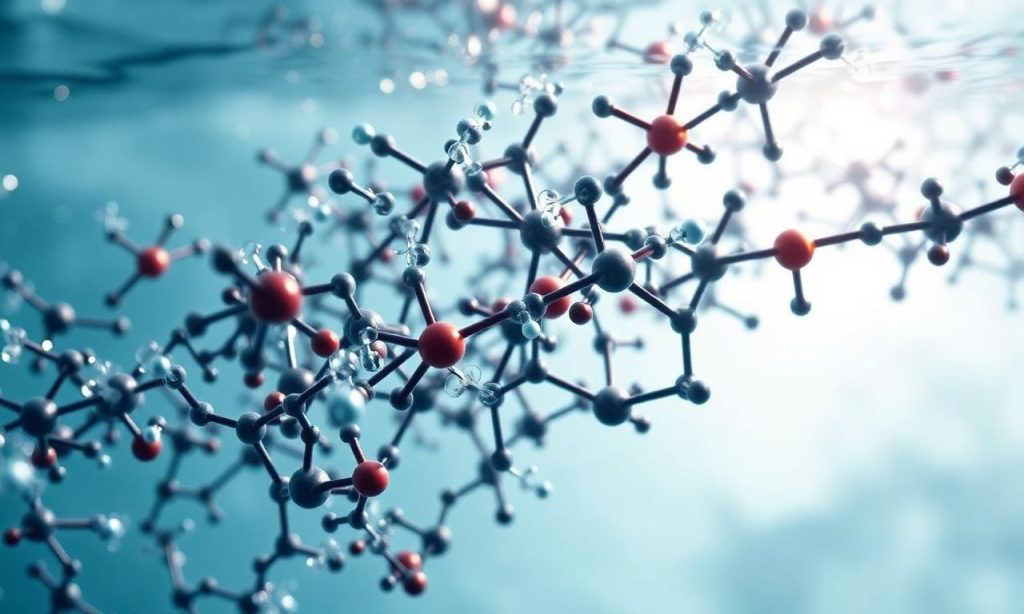
In the vast world of synthetic chemistry, few achievements are as remarkable—or as problematic—as the invention of Per- and Polyfluoroalkyl Substances (PFAS). These substances were engineered for a singular purpose: to resist the forces of nature. To understand why they are called “forever chemicals,” we must look past the consumer labels and into the molecular engineering of the substances themselves. At the heart of every PFAS molecule is a carbon chain enveloped in fluorine atoms. The bond between carbon and fluorine is widely considered the strongest single bond in organic chemistry. It requires immense energy—far more than what is found in natural sunlight, heat, or organic digestion—to pull these atoms apart. This chemical “shield” is what makes the compounds so effective in firefighting foams and waterproof gear, but it is also what makes them a permanent environmental disaster. To get started, you can explore what are pfas at a foundational level.
In a normal ecosystem, nature has a way of recycling almost everything. When an animal dies or a leaf falls, bacteria and fungi use specialized enzymes to break down the complex organic molecules into simpler components that nourish the soil. This is the circle of life. However, because PFAS are entirely man-made and do not exist anywhere in nature, the earth’s natural cleanup crew has no tools to process them. Microbes that can eat oil or rot plastic are helpless against the carbon-fluorine bond. As a result, when these chemicals enter our soil or water, they stay there. This leads to a persistent accumulation where every new gram produced and released adds to the global total. According to the EPA, while many of these have been phased out, their legacy remains a major concern for global health.
The Consequence of Longevity: Bioaccumulation
Why does it matter that these chemicals do not break down? The answer lies in a process called bioaccumulation. Because they persist forever, they do not just sit in the dirt; they move through the food chain. A tiny organism in a river might consume a trace amount of PFAS. A fish then eats thousands of those organisms, concentrating the chemicals in its own body. When a bird or a human then eats that fish, they receive an even larger dose. Because our bodies, like the soil’s bacteria, have no natural way to break down these carbon-fluorine bonds, the chemicals begin to stack up in our blood, liver, and kidneys. Over time, these levels can reach a point where they begin to interfere with our biological systems. This hidden buildup is one of the primary health exposure concerns for doctors and toxicologists.
This environmental persistence also means that contamination is extremely difficult to clean up. Traditional water treatment plants are designed to remove bacteria and sediment, but they are not equipped to break these indestructible bonds. This is why water contamination has become such a widespread crisis. Without intervention, these chemicals will continue to circulate through the Earth’s water cycle indefinitely, affecting generations to come. Research from the CDC (ATSDR) has highlighted how these persistent molecules travel through the water cycle, affecting everything from deep-sea fish to suburban drinking water wells.
The Global Impact on Water and Soil
Water is the primary vehicle for forever chemicals. Because PFAS are highly soluble and indestructible, they act like ghosts in our rivers and aquifers. When a factory discharges wastewater, the PFAS stay dissolved and move wherever the current takes them. This allows them to travel incredible distances from the factories where they were first released. They have been found in the rainwater of the Himalayas and the snow of the Antarctic. This global spread is a direct result of their inability to break down, leading to massive contamination on a planetary scale. This leads to them accumulating over time—hence the “forever” moniker. Identifying where pfas come from and how they permeate the environment is the first step in protecting yourself.
Once an aquifer becomes contaminated with PFAS, it is essentially ruined for centuries. There is no natural process to flush these chemicals out. This is why many communities are now forced to build incredibly expensive treatment plants that use advanced charcoal or high-pressure membranes to pull the molecules out of the water physically. These systems do not destroy the chemicals; they just trap them. This cycle of management is only possible if we prioritize reducing pfas at home while the government addresses the larger industrial sources. For more information on environmental health, visit NIH research portals for the latest ecological safety studies.
Why Modern Waste Management Fails
Current waste management systems were never designed for indestructible chemicals. When we put PFAS-treated materials into a landfill, the rainwater eventually washes the chemicals out and into the surrounding groundwater. Even if we try to burn them, most standard incinerators are not hot enough to break the carbon-fluorine bond. If the temperature is not high enough, the PFAS are simply lofted into the air, where they settle in another location and continue their eternal journey. This failure of traditional disposal methods highlights the need for specialized remediation technologies. Identifying pfas in products that were manufactured before these phase-outs is an important step in purging these legacy chemicals from their homes. Experts at the NIEHS continue to lead the charge in identifying these newer threats before they become yet another permanent part of our environment.
Protecting Future Generations
The fact that these chemicals are eternal means we are currently living with the consequences of industrial decisions made fifty years ago. To stop the cycle, we must reduce our reliance on these persistent compounds. Many consumers are now looking for ways to limit their personal contact with these substances by researching alternatives that are PFAS-free. Our health, and the health of our planet, depends on our ability to return to a world where nothing lasts forever. Stay informed, stay proactive, and prioritize the health of your environment for yourself and the next generation.