The Biological Persistence of Forever Chemicals
When we ingest a typical environmental pollutant, our bodies go to work. Our livers filter the blood, our kidneys process the waste, and within days or weeks, the vast majority of the “toxic” substance is excreted. However, for “forever chemicals” (PFAS), the normal rules of biological metabolism simply do not apply. Because these chemicals were engineered at the atomic level to be indestructible, the human body has no natural “enzymes” or pathways to break them down. Instead of passing through us, they “bioaccumulate”—binding to proteins in our blood and vital organs and staying there for an incredibly long time. To understand why this stay is so long, one must first explore what are pfas and why their chemical construction has such a profound impact on their biological half-life.
The term “half-life” refers to the time it takes for your body to naturally clear 50% of a substance from your system. For common substances like caffeine, the half-life is about five hours. For many PFAS compounds, the half-life is measured in *years*. PFOA, for example, has an estimated half-life in human blood of about three to four years. If you were to stop all exposure today, it would still take a decade or more for your body to clear the majority of the chemical. This leads to a persistent health exposure that continues long after the original source of water contamination has been fixed. According to the EPA, this biological persistence is one of the primary reasons these chemicals are so dangerous—the “body burden” builds up with every single glass of water.
The Anatomy of Bioaccumulation
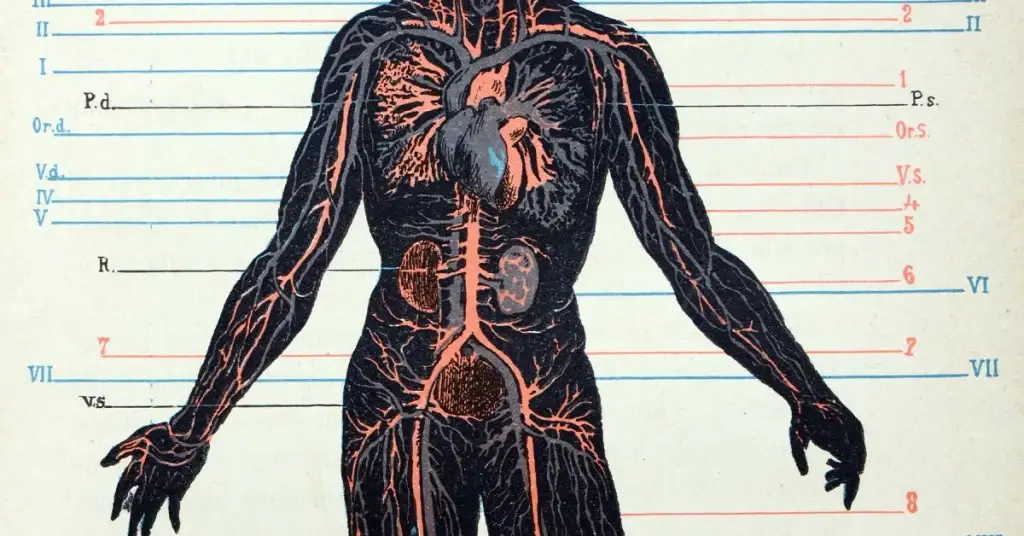
Why do they stay so long? The answer is “recycling.” PFAS molecules have a strong affinity for “albumin,” a protein in your blood. When your kidneys try to filter these chemicals out, your body mistakenly “re-absorbs” them back into the bloodstream because they look so much like natural fatty acids. This creates a “closed loop” where the chemicals are constantly circulated through your liver and kidneys without ever being truly cleared. Identifying where pfas come from and how they enter this biological cycle is a major goal for organizations like the CDC (ATSDR). Research has suggested that women who breastfeed can “clear” some of their PFAS burden by passing it to their infants—a heartbreaking demonstration of the chemical’s persistence across generations.
Furthermore, identifying pfas in products that we use every day—from dental floss to fast-food wrappers—is essential because we are constantly “topping up” our body’s chemical load. We are adding new chemicals faster than our bodies can clear the old ones. This results in a “steady state” where our internal levels remain high for a lifetime. Experts at the NIEHS are currently studying how “biological half-lives” vary between different populations, providing data that can help you time your own safety investments. Stay updated with research from high-authority sites like NIH research portals to see how the environmental science of human metabolism is advancing.
Steps for Reducing Your Body Burden
While you cannot “detox” your body of PFAS in the traditional sense, you can stop the “topping up” process. This is the most effective way for reducing pfas at home. By installing a high-quality water filter and making conscious choices about have you shop and live, you can “freeze” the amount of chemicals in your system. Over the following decade, your body will slowly, naturally clear the chemicals—essentially giving yourself a long-term “biological reset.” Awareness of this biological reality is your best tool for ensuring your family’s future health. In a world where “forever” chemicals are an inescapable part of our industrial legacy, your personal choices are the final line of defense.
Final Thoughts on Biological Integrity
Our bodies should be the place where we are safest, yet our industrial history has left us with a chemical legacy that persists in our very blood. By understanding the “biological clock” of PFAS, we can take informed action to protect our primary biological source. Our homes should be the place where we are safest, and by taking control of our environmental footprint, we can ensure they stay that way for generations to come. Awareness and intentional choice are your best tools for ensuring that your family’s future is not defined by the chemicals of the past. Stay informed, stay safe, and prioritize health in every choice you make.
For households considering ongoing exposure alongside the discussion of half-life, Brooklyn PFAS water testing experts can address questions about a tap-water sample. Water testing does not measure PFAS in the body, so keep those results distinct from any clinical assessment.