The Urban Landscape and Forever Chemicals
Manhattan is often seen as a concrete jungle where nature is confined to Central Park and the surrounding rivers. However, even in this hyper-urban environment, the legacy of “forever chemicals” (PFAS) remains a hidden reality. While New York City is famous for having some of the highest-quality unfiltered drinking water in the world—most of which travels through massive aqueducts from the pristine Catskill and Delaware watersheds—the city is not entirely immune to the global PFAS crisis. Recent environmental surveys have begun to provide a clearer picture of how these substances interact with Manhattan’s unique landscape, from its tap water to its soil and surrounding waterways. To understand the gravity of these urban findings, one must first explore what are pfas and why their chemical construction has such a broad reach.
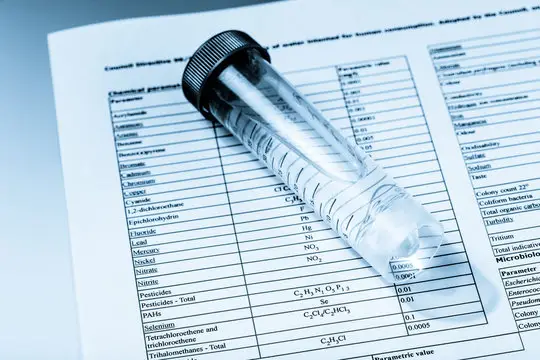
The core of Manhattan’s protection lies in its geography. Because the city’s primary water sources are located hundreds of miles north in protected forests, they have remained remarkably free from the industrial discharge that plagues many other metropolitan areas. However, as “forever chemicals” are now being found in the atmosphere and rainfall globally, trace amounts are appearing even in these remote reservoirs. Recent data from the NYC Department of Environmental Protection (DEP) indicates that while PFAS levels in Manhattan’s finished drinking water remain well below current federal and state thresholds, they are no longer at “zero.” This shift underscores that water contamination is a planetary issue that can touch even the most protected systems.
Identifying Urban Hotspots in Manhattan
While the tap water is generally safe, Manhattan faces other “urban” paths for PFAS exposure. For decades, the city’s industrial zones—particularly along the East River and Hudson River waterfronts—processed a variety of chemicals. Legacy industrial sites, former dry cleaners, and manufacturing plants in sectors like textiles and electronics often used PFAS for their stain-resistant and waterproofing properties. Over time, these chemicals have leached into the shallow groundwater and soil in certain neighborhoods. This is an essential consideration for anyone living in developing areas where health exposure can occur through urban dust or contact with legacy industrial soil. Identifying where pfas come from in a city as old and dense as New York requires a deep dive into historical land use maps.
Furthermore, Manhattan’s surrounding rivers—the Hudson and the East River—have shown elevated levels of PFAS due to a century of industrial activity upstream in New Jersey and Upstate New York. While Manhattanites don’t drink this river water, it affects the local ecosystem, including the fish and sediment. The EPA’s national survey has highlighted the Hudson River as a significant corridor for persistent pollutants. For those living in Manhattan who prioritize reducing pfas at home, the concern is often less about the “official” tap water and more about the “urban background” levels found in indoor dust, treated furniture, and older piping infrastructure.
Consumer Products and the NYC Lifestyle
In a city where residents rely heavily on convenience, food packaging and consumer goods are a major source of PFAS. Manhattan’s high density of fast-food restaurants, take-out services, and dry cleaners creates a constant flow of PFAS-treated materials into the borough’s homes. As established in previous research, the grease-resistant coatings on pizza boxes and wrappers often contain these chemicals, which can leach directly into food. Identifying pfas in products is particularly important for New Yorkers who eat out frequently. Research from the CDC (ATSDR) has shown that urban residents often have different exposure profiles than rural ones, driven heavily by their consumption habits and indoor environments.
Experts at the NIEHS are currently studying the impact of “multi-source” exposure in dense urban environments like Manhattan, where residents are exposed to a cocktail of environmental stressors. Stay updated with research from high-authority sites like NIH research portals to see how urban health data is evolving. While the city’s water infrastructure is a marvel of engineering that provides a significant layer of protection, it is not a “magic shield” against a family of chemicals designed to last forever. Awareness of your indoor environment and product choices is the final line of defense for a Manhattan resident.
Future Outlook for Manhattan’s Environment
New York State has recently moved to set some of the strictest water quality standards in the country, matching New Jersey’s proactive stance. For Manhattanites, this means more frequent testing and higher transparency. As the city replaces aging infrastructure and modernizes its monitoring systems, the data will continue to become more granular. By staying informed through the city’s annual water reports and making conscious choices about household products, Manhattan residents can continue to enjoy the city’s legendary water while minimizing their contact with the invisible industrial legacy of forever chemicals.
When discussing local findings with Manhattan water testing experts, bring the report’s sampling date, units, and list of compounds. Those details help frame questions about whether an additional household PFAS sample would provide useful information.