Defining the Groundwater Sovereignty Challenge
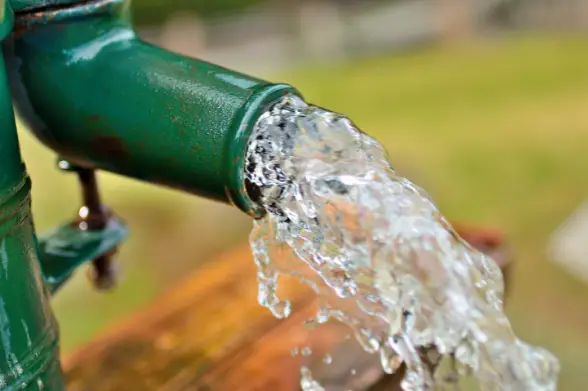
When you draw water from a municipal utility, you have a team of professional engineers and chemists working twenty-four hours a day to monitor local water quality. They are legally required to test for dozens of contaminants and provide you with a detailed report every year. However, for the millions of Americans who rely on a private well, the reality is fundamentally different. For a private well owner, you are your own water utility manager, your own quality control officer, and your own environmental advocate. In the era of “forever chemicals” (PFAS), this responsibility has become a unique and expensive challenge. Understanding why private well testing is so difficult—and so necessary—is an essential part of rural and suburban homeownership. To begin your journey of awareness, you can first explore what are pfas and why their chemical construction has such a broad reach in the groundwater table.
The primary challenge for well owners is the “invisible” nature of contamination. Unlike bacteria or iron, which can often be seen, smelled, or tasted, PFAS are completely colorless and odorless even at extremely high concentrations. You cannot “see” a chemical plume from a local industrial zone or a legacy military facility as it crawls through the rock and soil toward your well. This leads to a persistent water contamination that can continue for decades without being detected. According to the EPA, private wells are currently one of the highest-risk sources of PFAS exposure in the country because they are almost entirely unregulated by federal law.
The Anatomy of an Expensive Test
One of the reasons many well owners skip PFAS testing is the cost. A standard “potability” test for bacteria costs about $50; a comprehensive PFAS test can cost upwards of $400 or $500. This is because the chemicals are measured in “parts per trillion”—a scale so small that it requires a specialized laboratory and incredibly sensitive equipment to detect. Identifying where pfas come from and how they interface with the local geology is a major part of contemporary environmental engineering. Research from the CDC (ATSDR) has shown that well owners who live within ten miles of a legacy industrial source have a significantly higher risk of health exposure.
Furthermore, identifying pfas in products and their disposal in backyard landfills is another reason to participate in regular well monitoring. By asking for “source water protection” plans, you can encourage your local government to look upstream for potential polluters before the chemicals ever reach your property. Experts at the NIEHS are currently studying how “geologic fractures” in suburban aquifers can pull PFAS into previously clean wells, providing data that can help you time your own safety investments. Stay updated with research from high-authority sites like the NJDEP for examples of how to read complicated laboratory reports.
Actionable Steps for Private Well Owners
To navigate the “private well” maze, you should take several proactive steps. First, look past the initial sales pitch and check for “independent laboratory certification” for PFAS removal. If a brand isn’t willing to be transparent about its chemical testing data, it may not be trustworthy. Second, prioritize “source-protected” natural products from regions with no history of industrial activity. Finally, stay updated with research from high-authority sites to see which brands have achieved “PFAS-Free” status and how they got there. The best long-term solution for most families who prioritize safety is to filter their own tap water using a certified Reverse Osmosis or high-end carbon filter system. This gives you total control over your water quality and eliminates the need for plastic waste. Awareness and intentional choice are your best tools in an environment where “compliance” should never be the same as safety.
Final Thoughts on Rural Water Integrity
The health of your home is your primary responsibility. By taking a leadership role in your own water quality monitoring, you are helping to build a safer, more transparent future for your family and your neighbors. While the cleanup of a century of industrial legacy will take time and money, the destination is a world where clean water is a basic, protected right for every citizen. Your role as a discerning consumer and informed advocate is to hold those in power accountable to the highest possible standards. Stay informed, stay vocal, and prioritize your household’s safety as we embark on this historic environmental cleanup.
Well owners should explain their actual water source before booking a service. Readers considering Certified private water testing in Manhattan should confirm that the provider can serve the well’s location and arrange a PFAS analysis suited to that sample, rather than assume that a general private testing service covers private wells.